
The Winding History Behind Resealable Storage Bags
Introduction
From school lunches to airline liquids, resealable storage bags have become an ubiquitous household item. But the now-familiar zippered plastic pouches were not an overnight invention. The development of resealable bags has a long, winding history spanning over a century of incremental engineering innovations.
This article will explore the evolution of resealable bag technology – from early conceptual origins, to key design breakthroughs, mass production scale-up, expanding applications, and future possibilities. The tale illustrates how today’s mundane consumable products often have unrecognized stories of discovery behind them.
Early Attempts at Resealable Bags
Even in the early 20th century, there was already interest in developing bags that could be repeatedly opened and closed to protect contents:
Ritchie’s “Self-Closing Container”
In 1912, Canadian inventor Samuel G. Ritchie filed a U.S. patent for a “self-closing container” made from celluloid and featuring interlocking protrusions reminiscent of a zipper. But mass producing this design proved unworkable with the manufacturing capabilities of the time.
Early Resealable Bag Patents
Over subsequent decades, various patents were filed proposing different resealable mechanisms and materials like rubber tubes, wire clasps, and latching devices. However, formidable challenges remained around producing easy-to-use resealable bags at scale.
Limitations of Early Designs
While promising on paper, most early resealable bag concepts faced difficulties getting past the prototype stage. The right combinations of materials, manufacturing techniques, and cost-effective designs had yet to emerge.
But creative minds kept seeking solutions, setting the stage for key innovations to finally make resealable bags practical.
Development of Press-to-Close Zippers
A major breakthrough arrived in the 1950s with the advent of flexibly vinyl resins and functional press-to-close zippers:
Vinyl Resins Enable New Resealable Bags
Polyvinyl chloride and other emerging flexible vinyls provided viable materials for developing thin, robust resealable bags. Their durability, sealability, and low cost were game-changing.
Commercialization by B.A. Ballou Company
Leveraging vinyl, in 1957 the B.A. Ballou Company commercialized a resealable bag with a zipper-like closure under the name “Zip-Pac.” It was a hit for packaging foods and small items.
Shortcomings of Press-to-Close Zippers
While revolutionary, Zip-Pac’s press-to-close zipper technology still had flaws like leaks and accidental openings. Better solutions would be needed to unlock the full potential of resealable bags.
The stage was now set for the next wave of advancements that would finally culminate in the ubiquitous zipper bags we know today.
Advancements by Dow Chemical Company
Seeing room for improvement, Dow Chemical acquired Zip-Pac in 1961 and engineered key enhancements:
Acquiring Zip-Pac in 1961
Recognizing potential in the technology, Dow purchased rights to Zip-Pac in 1961 and assembled experts to refine resealable bags.
Creating the Ziploc Zipper Profile
Dow developed a new zipper profile geometry that securely stayed closed through the mechanical resistance of tiny interlocked ridges. This robust closure was far superior.
Addition of the Slide-Loc Slider
In 1971, Dow launched the Slide-Loc slider to eliminate fussy pressing to close bags. This made Ziploc bags effortlessly operable with one hand.
Rise of Ziploc Brand Popularity
Thanks to Dow’s upgrades, by the 1980s, “Ziploc bags” had become one of the most widely used brands. Their improved performance finally fulfilled the long-sought goal of reliable resealable pouches.
Dow Chemical played a pivotal role in transforming resealable bags from a leaky novelty into the practical product we know today.
Materials and Manufacturing Innovations
As resealable bags gained mainstream popularity, additional innovations further improved performance and production:
Multi-Layer Films
New coextruded films with proprietary mixes of plastics, coatings, and barriers gave resealable bags enhanced qualities like puncture resistance, moisture control, and opacity.
Automation and Volume Production
High-speed packaging machinery enabled efficient mass production of billions of resealable bags annually, driving costs down.
Branded Variants for Specialized Uses
Variants like Ziploc Space Bags for compression and Ziploc Freshcology for produce storage extended functionality for specific applications.
Ongoing materials and manufacturing advancements enabled resealable bags to become a versatile, affordable commodity.
Evolution of Resealable Bag Applications
Beyond the kitchen, resealable bags found ubiquitous utility across homes, commerce, and industry:
Food Storage
An obvious initial application, resealable bags were a boon for storing leftovers, lunch foods, and bulk grocery items. Their convenience and portioning ease revolutionized consumer kitchen habits.
Commercial and Industrial Uses
Resealable bags became commonplace for packaging items from hardware to pet food, containing part kits, and collecting samples and specimens across virtually every commercial sector.
Specialty and Premium Bags
Bespoke resealable bags stepped up features like insulation, transparency, and labelling to fulfill professional creative and technical needs from photographers to laboratories.
The handiness of resealing evolved resealable bags into a universally applied practical product for endless uses far beyond just food storage.
The Future of Resealable Bag Technology
Even after more than 50 years of refinement, innovations in resealable bags continue expanding their capabilities:
Sustainable Materials and Production
Consumer demand for sustainability is driving development of more eco-friendly resealable bags using recycled and renewable resources, as well as improved recycling systems.
Smart and Active Packaging Features
Embedding electronics in resealable bag materials enables active packaging that can sense, communicate, and report on conditions of contents.
Potential New Resealing Mechanisms
Looking beyond zippers, new experimental resealing concepts propose creative solutions like adhesive strips, magnetic seals, fold-over flaps, and interlocking channels.
Resealable bags have already transformed modern storage habits, and emerging innovations will likely continue improving these ubiquitous pouches.
Conclusion
From 1912 to today, resealable bags have undertaken an evolutionary journey from speculative concept to ubiquitous commodity. Early visionary patents eventually gave way to practical real-world solutions thanks to just the right combination of materials, thoughtful designs, and manufacturing processes converging. While once an elusive goal, resealable bags are now an integral part of modern life after more than a century of incremental advances. And looking ahead, they will continue improving through human ingenuity. Their history provides perspective on how simple inexpensive products we take for granted often have a long, winding backstory of technology progress behind them.
FAQs
Q: Who invented the first resealable bag?
A:Canadian inventor Samuel G. Ritchie is credited with patenting the first resealable bag design in 1912, though it was not successfully commercialized at the time.
Q: What company popularized modern resealable bags?
A: Dow Chemical Company engineered the improved Ziploc zipper bag design and mass-produced it starting in the late 1960s, popularizing resealable bags.
Q: When were plastic zipper bags first invented?
A: The first functional press-to-close zipper bags were introduced in the 1950s under the Zip-Pac brand, later acquired and enhanced by Dow into Ziploc bags.
Q: How did resealable bags get their “zip” closure?
A: The zipper-like interlocked ridges that allow reusable sealing were conceived to mimic the function of zippers on garments and cases, but work differently.
Q: What makes plastic bags able to reseal?
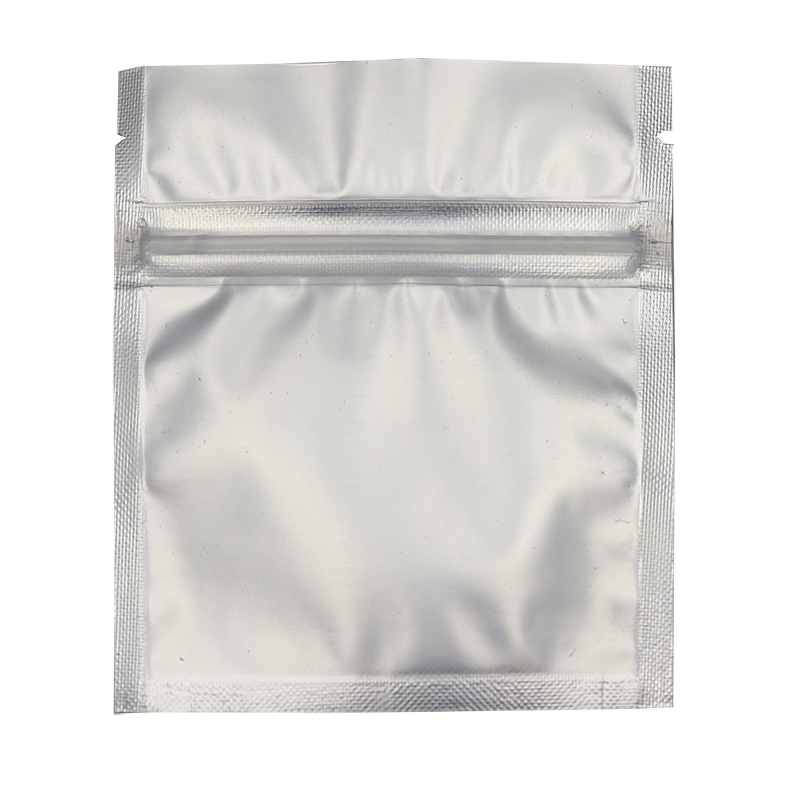
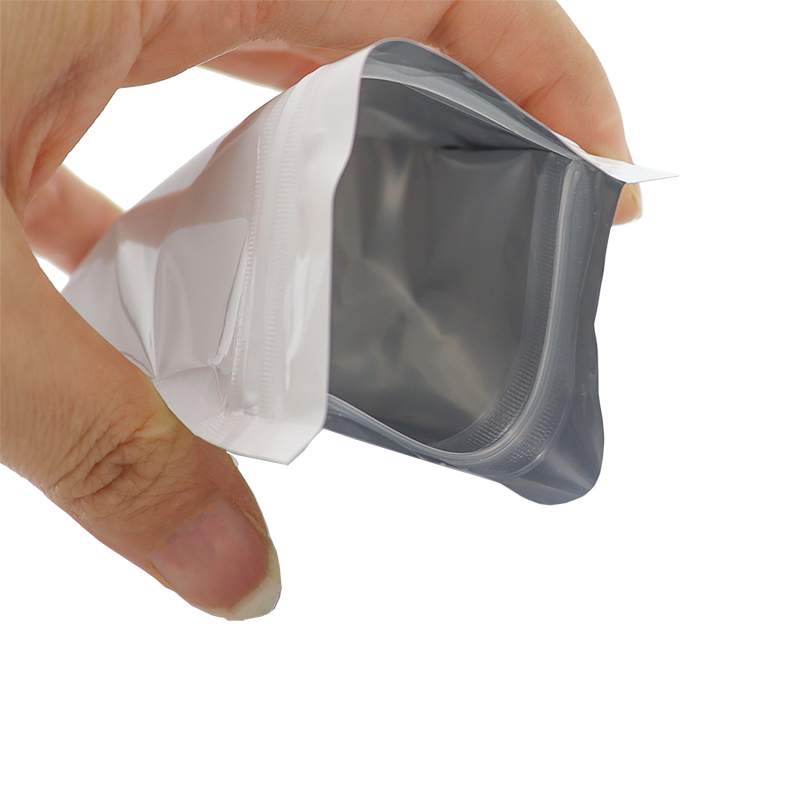
A: A specialty zipper-like plastic extrusion profile lets two mating halves interlock when pressed together. This mechanical closure keeps the bag sealed shut.
Q: Who invented the Slide-Loc slider for Ziploc bags?
A: Dow Chemical engineers created the Slide-Loc slider in 1971, eliminating the need to press Ziploc bags closed and popularizing slider-based resealable bags.
The Winding History Behind Resealable Storage Bags
The Winding History Behind Resealable Storage Bags





Leave A Comment