
An Introduction to Innovative Seal Pouch Packaging
In the competitive consumer packaged goods (CPG) market, the packaging that contains and protects your product can be a key differentiator. Seal pouches offer an innovative packaging format that is gaining popularity across many product categories. This article will provide an overview of seal pouch packaging, its benefits, materials, manufacturing processes, design options, and sustainability considerations.
What is Seal Pouch Packaging?
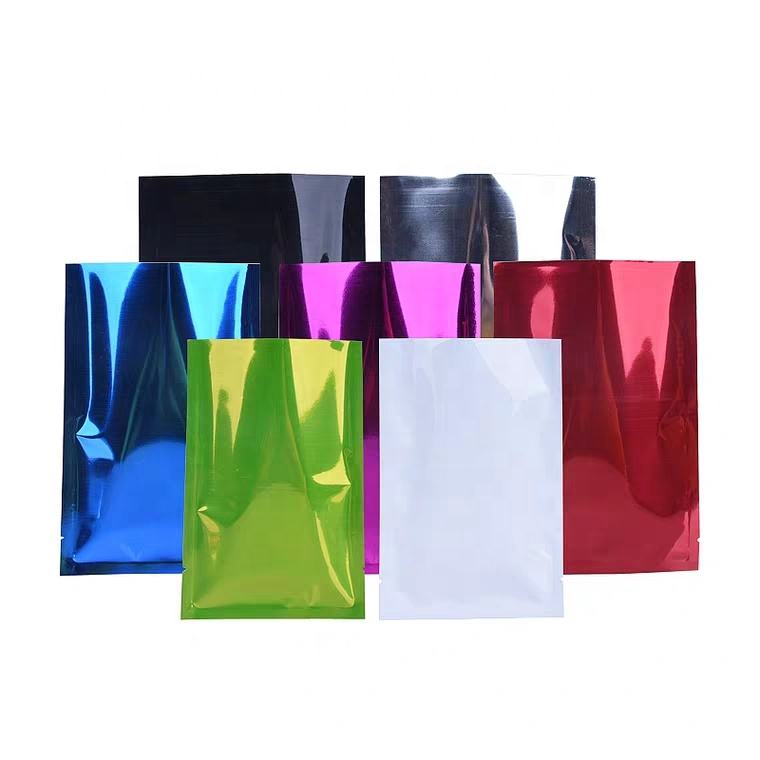
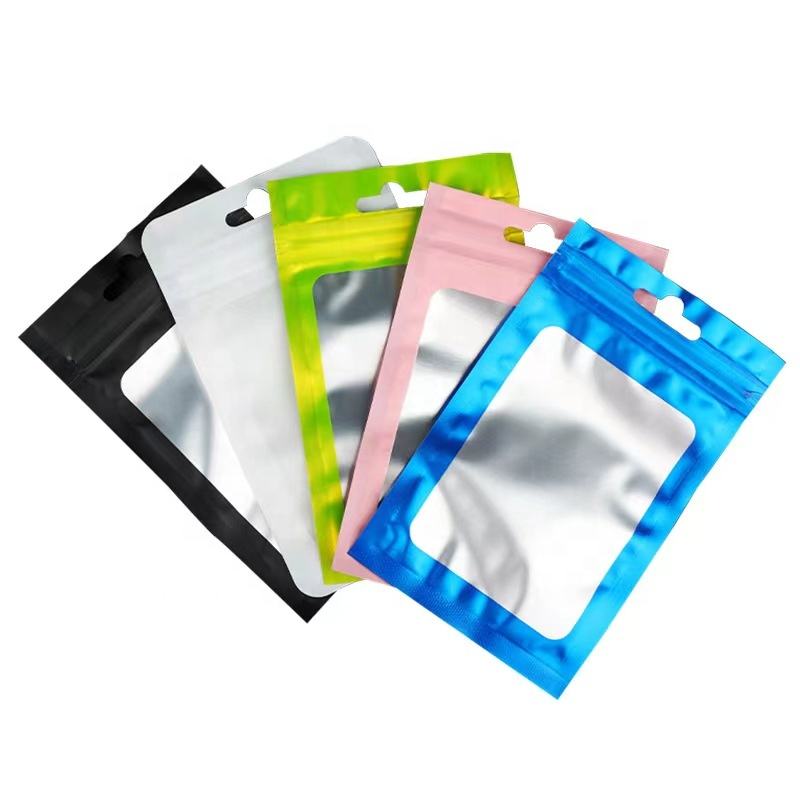
Seal pouches, also known as stand-up pouches, are flexible bags that have heat-sealed sides allowing them to stand upright on store shelves. Pouches typically have a zipper closure or tear notch at the top for easy opening and resealing. They are most often manufactured from plastic films, foil, and laminate materials.
Seal pouches first became popular for food packaging but now contain everything from beauty products to pet food. They provide an eye-catching, lightweight, and convenient package compared to rigid containers.
Benefits of Using Seal Pouch Packaging
There are many advantages to using seal pouches for packaging consumer products:
Preserves Freshness
Pouches maintain product freshness and extend shelf life thanks to their excellent barrier properties against oxygen, light, and moisture. Multi-layer laminate constructions block external elements from damaging package contents.
Offers Flexibility and Convenience
Pouches are thin, flexible bags that compress down as products are used up. Their portable, squeezable format makes for easy handling and storage. Consumers can take pouches on-the-go and easily dispense the desired amount.
Provides Excellent Product Visibility
Transparent plastic films allow maximum visibility of the contents inside. This helps attract consumer attention on crowded store shelves. Unique pouch shapes can further help products stand out.
Is Resealable
Zipper closures and interlocking ribs let consumers conveniently open, dispense some product, and then reseal pouches multiple times while maintaining freshness. This reduces waste compared to one-time use packages.
Has Lower Environmental Impact
Pouches are lightweight and take up less space than rigid containers, requiring less energy and materials for shipping. Certain pouch materials like bioplastics also have sustainability benefits.
Types of Products Ideal for Seal Pouch Packaging
Flexible stand-up pouches work well for a wide variety of consumer goods:
Dried Foods and Snacks
Pouches offer excellent barrier properties to keep snacks like granola, nuts, dried fruit, and jerky fresh. Their resealabilty makes it easy to portion out servings.
Produce and Frozen Foods
Seal pouches with zippers or slide notches maintain quality and extend shelf life for fresh produce, frozen meals, and refrigerated foods.
Liquids and Sauces
Thin, squeezable pouches provide great convenience for beverages, condiments, personal care liquids, and other pourable products.
Nutritional Supplements and Medications
Maintaining ingredient potency is critical for supplements and medications. High-barrier pouches prevent degradation while allowing easy access to contents.
Innovative Materials Used in Seal Pouch Packaging
There are constantly new developments in pouch materials to improve performance, sustainability, and appeal:
Plastic Films
Polyethylene, polypropylene, and other plastic-based films provide clarity, flexibility, and strong seals. Metallized films add glossy finish and barrier properties.
Aluminum Foil Laminates
To maximize shelf life for food, foil layers are often laminated with plastic films. This provides an impermeable light, oxygen, and moisture barrier.
Bioplastics and Compostable Films
Sustainable bioplastic films made from plant starch offer an earth-friendly alternative to traditional plastics. However, currently these don’t match performance.
Seal Pouch Manufacturing and Filling Processes
Producing high-quality, functional seal pouches requires advanced machinery and techniques:
Pouch Forming
Pouch rolls are printed, laminated, and run through form-fill-seal machines. This forms pouches, heat seals sides, and may also fill contents.
Filling and Sealing
For pre-made pouches, automatic filling equipment neatly seals products inside at rapid speeds. Heat sealing bars ensure an airtight closure.
Date Coding
Inkjet printers and lasers mark pouches with batch codes, expiration dates, and other variable data required for traceability.
Branding and Design Options for Pouches
Vibrant graphics and unique shapes help pouches stand out:
Flexography Printing
Using flexo plates, high-quality graphics and branding are printed directly onto pouch film rolls before being formed.
Digital Printing
Digital presses provide Photorealistic quality, versioned designs, and variable data printing in shorter runs.
Shaped Pouches
Die-cutting allows custom pouch shapes like circles, rounded corners, and pour spouts to better showcase products.
Sustainability Considerations for Pouches
As consumer focus on eco-friendly packaging grows, pouches aim to reduce environmental impacts through:
Recyclable and Compostable Materials
Pouches made with polyethylene and bioplastics can often be recycled or composted depending on local programs.
Source Reduction
Thin, lightweight pouches use less material than rigid containers. Downsizing materials saves resources.
The Future of Seal Pouch Packaging
Seal pouches will continue gaining market share across product categories thanks to their shelf appeal, convenience, and sustainability advantages compared to cans, bottles, and boxes. We can expect further advances in pouch functionality, safety, and eco-friendly materials. For brands looking to differentiate on crowded shelves, innovative seal pouches provide an effective packaging solution that delights consumers.
Frequently Asked Questions
What products are pouches not suitable for?
Pouches are not ideal for heavy or bulky items, corrosive chemicals, or products needing ultra high-barrier properties. Rigid packages tend to work better.
Can pouches be recycled?
Some polyethylene and bioplastic pouches are recyclable where programs exist. However, multi-material laminates are not easily recyclable. Simpler material constructions aid recycling.
How are pouches superior to bags or boxes?
Pouches are lighter, more compact, and faster to produce than rigid boxes. They also provide better product visibility and portability than basic bags.
What printing methods can be used on pouches?
Flexographic printing directly on films offers high quality at low costs. Digital printing provides striking graphics in shorter runs.
How are spouted pouches used?
Spouted pouches have an attached re-closeable nozzle to conveniently pour liquid contents like beverages, condiments, soaps, etc.




Leave A Comment