
Introduction
In the ever-evolving world of packaging, 3 side seal bags have emerged as a versatile and consumer-friendly solution. These bags, with their distinctive three-sided sealing design, offer a range of benefits that have captured the attention of both businesses and consumers alike. In this comprehensive guide, we’ll dive into the art of designing 3 side seal bags that not only meet functional requirements but also captivate the hearts and minds of your target audience.
Understanding 3 Side Seal Bags
Definition and Key Features
3 side seal bags, also known as gusset bags, are a type of packaging solution that features a unique seal on three sides of the bag. This design allows for a larger, more stable base, making them ideal for a variety of products, from dry goods to liquids. The fourth side, typically the top, is left open for easy access and filling.
Benefits of 3 Side Seal Bags
The versatility and consumer-friendly nature of 3 side seal bags make them a popular choice in a wide range of industries. Some of the key benefits include:
- Improved stability and product protection
- Increased shelf presence and brand visibility
- Enhanced consumer convenience and ease of use
- Customizable design options for branding and aesthetics
- Efficient use of space for storage and transportation
Designing 3 Side Seal Bags for Consumers
Bag Size and Dimensions
When designing 3 side seal bags, it’s crucial to consider the size and dimensions that will best suit your products and target audience. Factors such as product volume, package weight, and consumer preferences should all be taken into account. By finding the right balance, you can ensure your bags provide the necessary protection and functionality while also appealing to your customers.
Material Selection
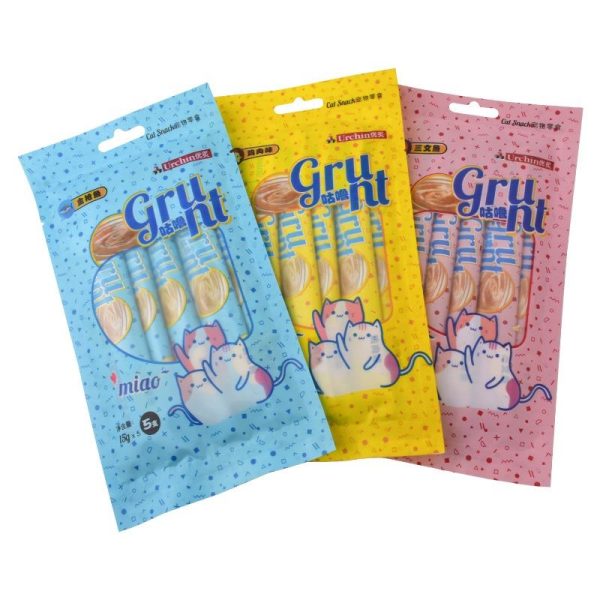
3 side seal bags
The choice of material for your 3 side seal bags can greatly impact their performance, durability, and sustainability. Common materials used include various plastics (such as polyethylene, polypropylene, and polyester), as well as paper-based options like kraft or coated papers. Consider the specific needs of your products, the desired aesthetic, and the environmental impact when selecting the most appropriate material.
Closure and Sealing Methods
The manner in which your 3-side seal bags are closed and sealed can have a considerable impact on their functionality and user experience. You should consider options such as zipper closures, adhesive seals, or resealable features to improve convenience and maintain the freshness of your products. Choose solutions that are easy to open, and close and that keep the contents safe and secure.
Branding and Labeling
Incorporate your brand identity, logo, and relevant product information into the design of your 3 side seal bags. This can help increase brand recognition, attract consumers, and provide essential details about the content. Use clear, eye-catching graphics and labeling to ensure your bags stand out on the shelves and convey the desired message.
Customization and Personalization
Printing and Graphics
Leverage the canvas of your 3 side seal bags to showcase your brand’s unique visual identity. Explore various printing techniques, such as flexographic, digital, or offset printing, to create eye-catching designs and patterns. Experiment with bold colors, intricate illustrations, or minimalist aesthetics to capture the attention of your target audience.
Shape and Structure
While the classic rectangular shape is common, consider exploring alternative shapes and structures to differentiate your 3 side seal bags. Unique designs, such as stand-up pouches or shaped bags, can add visual interest and appeal. These innovative approaches can help your packaging stand out and create a memorable brand experience for consumers.
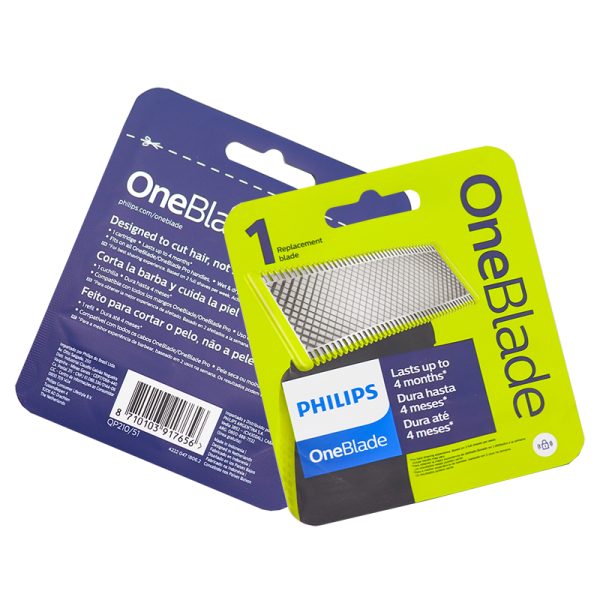
3 side seal bags
Sustainability and Eco-Friendly Options
As consumer demand for sustainable packaging continues to grow, explore eco-friendly materials and production methods for your 3 side seal bags. This may include using compostable, biodegradable, or recycled materials to align with your brand’s values and meet market expectations. By incorporating sustainable features, you can appeal to environmentally conscious consumers and contribute to a more sustainable future.
Consumer Preferences and Trends
Convenience and Ease of Use
Consumers often prioritize packaging that is easy to open, reseal, and handle. Design your 3 side seal bags with features that prioritize user-friendliness, such as intuitive opening mechanisms, clear labeling, and efficient dispensing. By focusing on convenience, you can make the consumer’s experience with your product more enjoyable and encourage repeat purchases.
Aesthetic Appeal
In addition to functionality, the visual appeal of your 3 side seal bags can significantly influence consumer perception and purchasing decisions. Incorporate design elements that align with current trends, evoke emotions, and create a memorable brand experience. Experiment with colors, patterns, and textures to capture the attention of your target audience and leave a lasting impression.
Sustainability and Environmental Consciousness
As environmental awareness grows, consumers are increasingly drawn to environmentally responsible packaging solutions. Highlight the sustainable features of your 3 side seal bags, such as recyclable materials or reduced carbon footprint, to appeal to eco-conscious consumers. By demonstrating your commitment to sustainability, you can build trust and loyalty with your audience.
Packaging Regulations and Compliance
Food Safety and Labeling Requirements
If your 3 side seal bags are intended for food products, ensure that you adhere to all relevant food safety regulations and labeling requirements in your target markets. This may include specific guidelines for packaging materials, nutrient information, and allergen declarations. Compliance with these regulations is crucial for protecting the health and safety of your consumers.
Shipping and Transportation Guidelines
Consider the logistical aspects of your 3 side seal bags, such as their dimensional weight, stacking ability, and transportation requirements. Designing bags that are optimized for efficient shipping and storage can help streamline your supply chain and reduce costs. By taking these factors into account, you can ensure your packaging is both consumer-friendly and cost-effective for your business.
Prototyping and Testing
Prototype Development
Before finalizing your 3 side seal bag design, create physical prototypes to test the functionality, durability, and aesthetic appeal. This iterative process can help identify and address any potential issues or areas for improvement. By taking the time to prototype and refine your designs, you can ensure your final product meets the high standards of both your business and your customers.
Consumer Feedback and Testing
Gather feedback from your target consumers through focus groups, market research, or pilot studies. This valuable input can inform design decisions, enhance user experience, and ensure your 3 side seal bags resonate with your audience. By incorporating the voices of your customers, you can create packaging solutions that truly cater to their needs and preferences.
Iterative Design Process
Continuously refine and improve your 3 side seal bag designs based on the insights gained from prototyping and consumer feedback. An agile, iterative approach can help you stay ahead of the curve and deliver packaging solutions that exceed customer expectations. By embracing a mindset of continuous improvement, you can ensure your 3 side seal bags remain relevant, appealing, and adaptable to changing market trends.
Conclusion
Designing 3 side seal bags that captivate consumers requires a strategic blend of functionality, aesthetics, and market awareness. By understanding the key features, benefits, and design considerations, you can create packaging solutions that not only protect your products but also elevate your brand’s presence and connect with your target audience. Through continued innovation, personalization, and user-centric design, you can elevate your 3 side seal bags to new heights and foster a loyal customer base.
FAQs
- What are the main benefits of 3 side seal bags? 3 side seal bags offer improved stability, increased shelf presence, enhanced consumer convenience, customizable design options, and efficient use of space for storage and transportation.
- How do I choose the right material for my 3 side seal bags? When selecting the material for your 3 side seal bags, consider factors such as product compatibility, durability, sustainability, and cost-effectiveness. Common materials include various plastics, as well as paper-based options like kraft or coated papers.
- Can I customize the branding and design of my 3 side seal bags? Yes, 3 side seal bags offer ample opportunities for customization and personalization. You can incorporate your brand’s visual identity, logos, and product information through printing, graphics, and unique structural designs.
- How do I ensure my 3 side seal bags comply with packaging regulations? To ensure compliance, carefully research and adhere to all relevant regulations in your target markets, particularly for food safety labeling requirements and shipping/transportation guidelines.
- What are the latest trends in 3 side seal bag design? Emerging trends include the use of sustainable and eco-friendly materials, innovative shapes and structures, and a focus on consumer convenience and aesthetic appeal.
- How can I test and prototype my 3 side seal bag designs? Create physical prototypes and gather feedback from your target consumers through focus groups, market research, and pilot studies. Utilize an iterative design process to refine and improve your 3 side seal bag designs based on the insights gained.




Leave A Comment