
Keeping Marijuana Safe with Child-Resistant Packaging
Introduction
With the growing legalization of recreational and medical marijuana across North America, ensuring proper packaging and storage of cannabis products is becoming a crucial consideration. Keeping marijuana out of the reach of children is a particular concern that has led to regulations mandating child-resistant packaging in legalized markets.
Child-resistant bags, pouches, bottles, and other packaging provide an impediment to access by young children while allowing legitimate use by adults. This article will examine the importance of child-resistant solutions for legal marijuana, the types of packaging used, design features, testing procedures, benefits for the cannabis industry, and challenges requiring ongoing diligence.
Importance of Child-Resistant Packaging for Marijuana
There are several compelling reasons why marijuana products sold in legalized markets must utilize proper child-resistant packaging:
Preventing Accidental Ingestion
The primary goal is deterring access by minors who could accidentally ingest cannabis products to their detriment. Child-resistant packaging creates physical and cognitive obstacles beyond the abilities of kids under 5 years, while not being prohibitively difficult for most adults. Preventing unintended marijuana consumption by children is a crucial safety priority.
Compliance with Packaging Regulations
Many jurisdictions with legalized marijuana have laws explicitly mandating child-resistant packaging, including states like California and Colorado. Utilizing compliant packaging is essential for cannabis businesses to meet their legal obligations. Non-compliance could jeopardize their license to operate.
Promoting Responsible Public Perception
The nascent legal marijuana industry needs to uphold its credibility by demonstrating a commitment to public health and safety. Using proper child-resistant packaging on cannabis products projects an image of diligent responsibility that builds confidence in legalized marijuana.
In summary, child-resistant packaging is critically important for preventing child access, adhering to regulations, and conveying responsible values as the marijuana industry matures.
Types of Child-Resistant Marijuana Packaging
A variety of packaging formats can provide compliant child-resistance for diverse cannabis products:
Child-Resistant Pouches and Bags
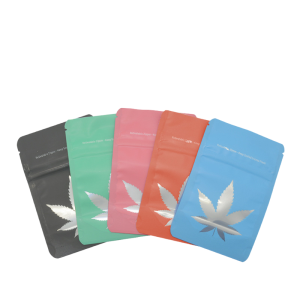
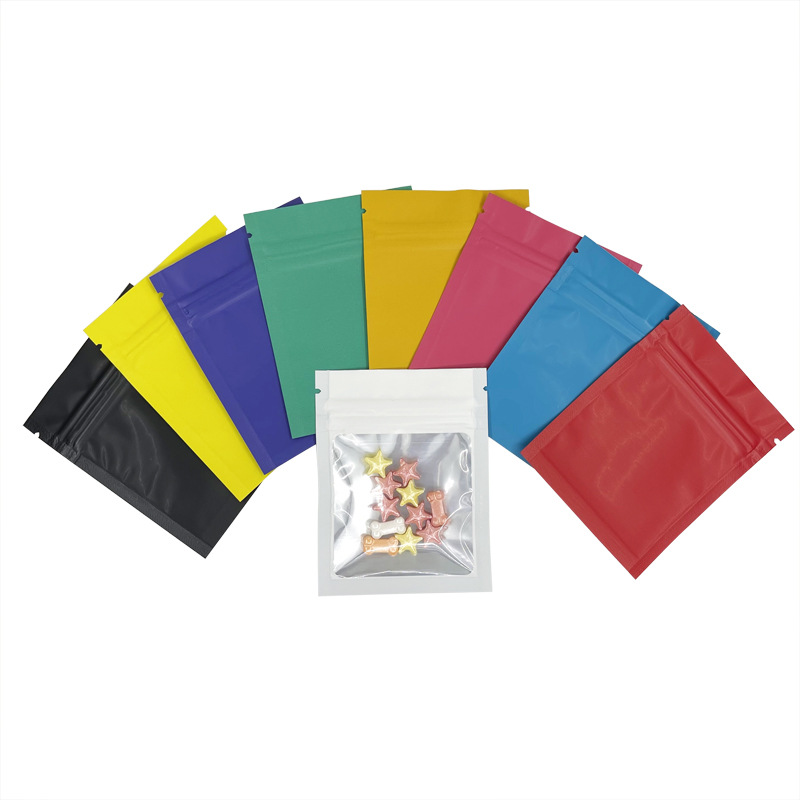
Pouches and bags equipped with unique zipper systems that require coordinated motions to open properly are commonly used for marijuana buds, edibles, and vapes. The zippers incorporate locking tabs and slider mechanisms that cannot be operated simplistically.
Child-Resistant Rigid Plastic Containers
Bottles, vials, and boxes made from rigid plastics like polypropylene can incorporate child-resistant hinges, latches, and lids. The parts only open through deliberate multi-step motions by the user.
Child-Resistant Shrink Bands and Sleeves
Shrink sleeve labels wrapped around container caps can add tamper-evidence and provide an extra barrier against unrestricted access by kids.
Prescription Vials with Child-Resistant Caps
Pharmacy-style vials with proven child-resistant caps are a traditional option suited for marijuana oils, tinctures, and concentrates.
With careful selection, child-resistant characteristics can be incorporated across nearly any container type required for marijuana products.
Design Features for Child-Resistance
What design attributes allow packaging to deter access by young children? Key elements include:
Special Opening Mechanisms
Unique sequences of motions like pinch-and-turn or squeeze-and-slide make opening challenging for kids but manageable for most adults when following instructions.
Tamper Evidence
Seals, labels, and shrink bands that visually indicate tampering dissuade attempts to prematurely access contents.
Clear User Instructions
Providing explicit directions, diagrams, and warnings guides proper opening while discouraging improper tampering.
By combining these design principles on bags, bottles, and containers, child-resistant marijuana packaging can achieve an effective balance between safety and usability.
Testing and Certification Processes
To instill confidence that packaging meets child resistance regulations, rigorous validation is required:
Following Established Protocols
Standard test methods specify procedures to assess if random children can improperly open packages within a fixed time. Packages that sufficiently impede access pass the testing criteria.
Mandatory Third-Party Validation
Independent certified labs must conduct child-resistance testing per official procedures. This eliminates bias and verifies performance claims.
Importance of Ongoing Monitoring
Since packaging components and designs evolve over time, repeat testing is prudent to confirm that child-resistance remains reliable.
Through methodical testing by accredited labs, marijuana packaging can demonstrate dependable child-deterring properties that satisfy legal requirements.
Benefits of Child-Resistant Packaging for Legal Marijuana Industry
Utilizing compliant child-resistant packaging offers important advantages:
Promoting Consumer Safety
Child-resistant packaging is fundamentally about preventing access by minors to avoid health risks. This protective benefit is invaluable for maintaining credibility.
Adhering to Regulations
Following mandated packaging laws enables legal marijuana businesses to stay in good standing and continue legally operating.
Projecting Responsible Values
Showcasing child safety practices portrays the legal cannabis industry as mature and attentive to community concerns. This fosters goodwill and continued public acceptance.
Overall, proper child-resistant packaging allows the fledgling marijuana industry to demonstrate the same safety mindfulness already established in pharmaceuticals, chemicals, alcohol and other regulated sectors.
Challenges and Considerations with Child-Resistant Marijuana Packaging
While offering clear benefits, some aspects also require ongoing attention:
Added Costs for Producers
Child-resistant packaging has higher upfront costs compared to basic bags and containers. This economic reality must be weighed as a necessary investment.
Potential Frustration for Adult Consumers
If not designed thoughtfully, excessively tricky packaging can annoy legitimate adult purchasers. Reasonable openability is still essential.
Ongoing Diligence Required
Child-resistant packaging is not foolproof. Continued efforts to keep products out of youth reach, warn against false sense of security, and refine packaging remain important.
Conclusion
As marijuana becomes a legally regulated consumer product, child safety considerations are paramount. Utilizing tested and certified child-resistant packaging demonstrates the legal marijuana industry’s commitment to community health while also enabling compliance with packaging laws.
While adding costs, child-resistant bags, containers, and accessories provide a prudent layer of protection against unintentional access and potential health risks for minors. Along with ongoing education and responsible storage, quality child-resistant packaging supports the safe, controlled availability of legal marijuana – now one of the fastest-growing consumer product industries.
FAQs
Q: Are marijuana edibles required to use child-resistant packaging?
A: Yes, any cannabis edibles like gummies, baked goods, or candies must be packaged in compliant child-resistant containers or wrappers.
Q: Can plastic zipper bags be made child-resistant?
A: Yes, through the use of specially designed squeeze-and-slide zipper mechanisms that require coordinated adult dexterity to open properly.
Q: Does child-resistant mean the same as child-proof?
A: No. Child-resistant indicates deterring access by minors through obstacle features, not absolute fail-safe prevention. No packaging is completely child-proof.
Q: Who regulates and certifies child-resistant packaging for marijuana?
A: Accredited independent labs utilize established testing protocols to certify packaging meets child resistance standards defined by government agencies.
Q: Can consumers open their purchased marijuana packaging in the store?
A: No. By regulation, consumers cannot open child-resistant packaging until they leave the retail premises. This prevents immediate youth exposure.
Q: How frequently must marijuana packaging be re-tested for child-resistance?
A: Recommended best practice is annually, when designing new packaging, and whenever components change. Ongoing confirmation of child-resistance is prudent.
Keeping Marijuana Safe with Child-Resistant Packaging
Keeping Marijuana Safe with Child-Resistant Packaging





Leave A Comment