
In today’s fast-paced world, the convenience of food packaging bags has become an integral part of our daily lives. From preserving freshness to ensuring hygiene, these bags play a crucial role in the food industry. However, the type of plastic used for food packaging bags raises important questions about sustainability, safety, and environmental impact. Let’s delve into the options available and make an informed choice for a greener future.
High-Density Polyethylene (HDPE): HDPE is a widely used plastic for food packaging bags due to its excellent barrier properties and resistance to moisture and chemicals. It is commonly found in milk jugs, grocery bags, and some food storage bags. HDPE is relatively safe and recyclable, making it a reasonable choice, though its carbon footprint should still be considered.
Low-Density Polyethylene (LDPE): LDPE is flexible, lightweight, and commonly used for produce bags and plastic wraps. It is less sturdy than HDPE and might not provide the best protection against air and moisture. While LDPE is technically recyclable, the collection and recycling rates are generally lower compared to HDPE.
Polypropylene (PP): PP offers high heat resistance and is often used for microwave-safe containers and lids. It is considered safe for food contact and can be recycled, but not all recycling facilities accept PP. Choosing PP for food packaging bags might be a good option for products that require reheating.
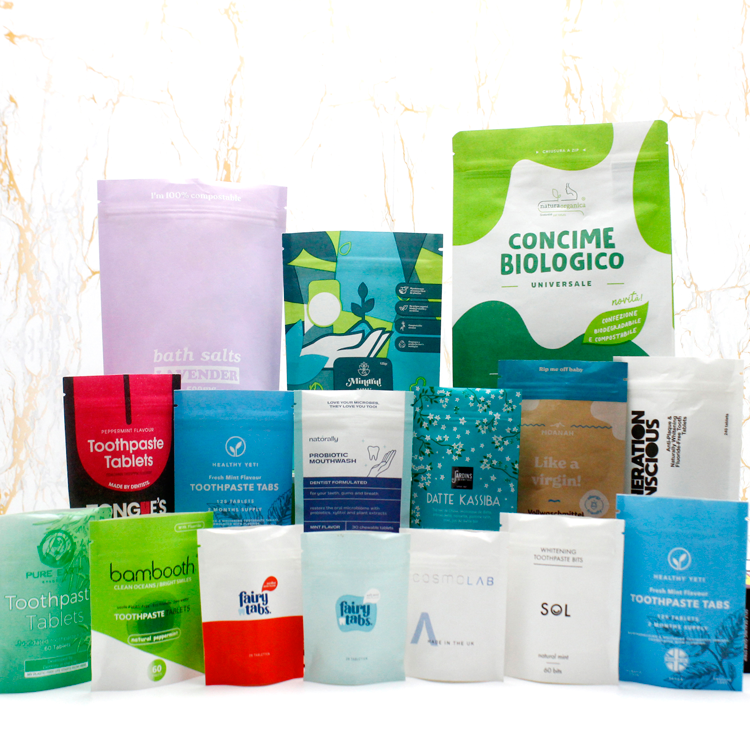
Biodegradable and Compostable Plastics: These plastics are designed to break down more easily in certain conditions, reducing their long-term environmental impact. However, the effectiveness of biodegradation and compostability can vary widely based on the specific material and disposal conditions. It’s important to look for certifications from reliable organizations when opting for these options.
Recycled Plastics: Some food packaging bags are made from post-consumer recycled plastics, contributing to the reduction of virgin plastic production. While this is a positive step toward sustainability, it’s important to ensure that the recycled material is of high quality and safe for food contact.
When choosing the right plastic for food packaging bags, it’s essential to balance factors such as durability, safety, recyclability, and environmental impact. As consumers, we can make a difference by supporting brands that prioritize sustainable practices and transparent labeling. Additionally, reducing single-use plastic consumption and exploring alternative packaging materials like paper, cloth, or reusable containers can further contribute to a more eco-friendly future.
In the end, the choice of plastic for food packaging bags should align with our commitment to preserving the environment and safeguarding our health while maintaining the convenience and functionality that we’ve come to rely on.





Leave A Comment