
Choosing the Best Packaging for Your Dog Treats
Introduction
The packaging you choose for your homemade or commercial dog treats is about more than just holding the treats. It keeps them fresh, provides convenience for pet owners, and conveys your brand image. With so many options for dog treat bags and pouches available today, it’s important to consider the needs of your specific treats and business when selecting packaging.
In this article, we’ll explore the different types of packaging available for dog treats, factors to consider when choosing packaging, eco-friendly and sustainable options, and how to customize packaging to showcase your brand.
Types of Packaging for Dog Treats
Common types of packaging used for dog treats include:
Plastic Bags
Plastic bags like polyethylene provide excellent protection against moisture, odors, and oxygen. They come in various thicknesses and durabilities. Plastic allows for high-quality graphics, but is less eco-friendly.
Paper Bags
Kraft paper, greaseproof lined paper, and similar materials position a natural, homemade image. However, paper bags are less protective for longer storage times. Protective coatings or linings can help resist moisture.
Resealable Pouches
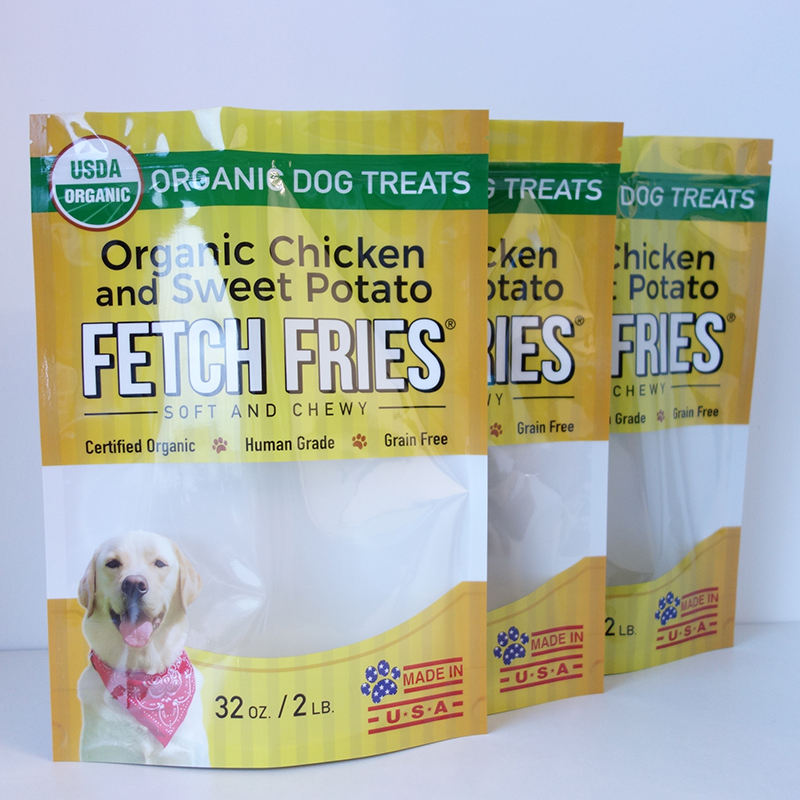
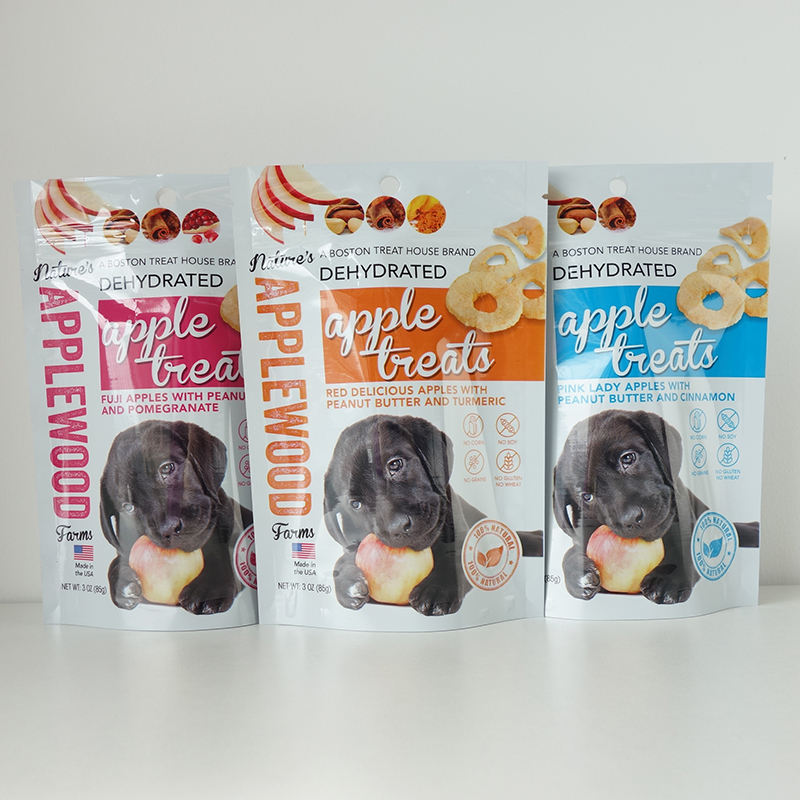
Resealable bags with zipper closures, like a Ziploc®, allow owners to access treats without repackaging. They provide convenience but cost more. Popular styles are stand-up pouches and flat sealed bags.
Key Considerations for Dog Treat Packaging
Several factors should guide your packaging selections:
Ingredient and Shelf Life Needs
Perishable or oily treats require more barriers against oxygen, light, and moisture over a longer shelf life. Select materials that match the treat’s ingredients and longevity.
Bag Size and Quantity
Consider standard treat quantities and sizes when choosing packaging. Common bags sizes are 4 oz, 8 oz, or larger. Bags should match your per-pack treat amount and treat dimensions.
Reusability
If owners will store treats in the original packaging, reusable zipper bags prevent waste from single-use packaging. However, they cost more.
Branding
Packaging conveys your brand image and style. Choose bags that communicate your desired natural, homemade, premium or specialty feel through materials, shapes, and graphics.
Eco-Friendly Packaging Options
For treat businesses focused on sustainability, eco-friendly options include:
Biodegradable Materials
Bags made from plant-based renewable materials like cellulose, jute, and PLA provide biodegradability but have varying degradation times.
Recyclable Materials
Choosing packaging made from easy-to-recycle materials like #4 LDPE plastic or paper is often preferable over compostable materials.
Compostable Bags
Bags certified commercially compostable completely break down during industrial composting. Look for BPI or Cedar Grove certified compostable bags.
Customizing Packaging
Giving your packaging visual and tactile uniqueness builds brand recognition:
Graphics and Colors
Incorporate colors, fonts, and images that communicate your brand style on the package exterior or inside clear bags.
Unique Shapes and Sizes
Explore creative bag shapes, folds, bottom styles, and closure tapes that make your packaging distinguishing and eye-catching.
Personalization
Offering custom printing with pets’ names or photos creates a personal connection with customers.
Conclusion
With the wide variety of dog treat packaging options today, it’s easy to select bags and pouches tailored to your brand and product. Take ingredients, shelf life, quantity, reusability, and branding into account when choosing materials and styles. Don’t forget small touches that make your packaging stand out. With the right treat bags, you can deliver fresh, quality treats and wow customers.
FAQs
What materials commonly work for dog treat packaging?
Popular materials are plastic films like polyethylene, polypropylene, and PET, paper, plant-based and biodegradable materials, woven fabrics like burlap, and foil. Consider the product’s shelf life and ingredient needs when selecting.
Should my dog treat packaging be resealable?
Resealable pouches provide convenience but cost more. For treats meant to be eaten quickly, simple heat seal bags suffice. For larger quantities with a longer shelf life, resealable bags enable owners to access treats a few at a time.
What are options for custom printing on packaging?
Treat packaging can be custom printed with logos, images, graphics, and text using flexographic or digital printing. Other options include stickers, paper inserts, or stamps. Colored films also provide visual branding.
Why pay attention to treat packaging sizes and shapes?
The size, shape, openings and closures affect the owner’s experience and convenience. Unique, playful shapes improve shelf appeal. Standard treat quantities help guide appropriate bag sizes.
What makes treat packaging eco-friendly?
Seek plant-based renewable materials, renewable films like PLA, or recycled content. Ensure packaging is certified compostable or recyclable for proper end-of-life management. Avoid heavily dyed or painted bags when possible.





Leave A Comment