
Choosing Packaging that Properly Protects Cannabis Products
Introduction
For legal cannabis producers, manufacturers, and retailers, selecting the right packaging for weed products is an important compliance and safety consideration. Packaging not only enables efficient operations and appeal for consumers, but also safeguards products, provides protection for youth, and adheres to cannabis regulations.
In this article, we’ll look at key factors to consider when choosing packaging, like child-resistance, discreet and opaque options, labeling needs, contamination prevention, eco-friendly options, and branding opportunities through packaging.
Child-Resistant and Tamper-Evident Packaging
Packaging for cannabis products often must meet strict requirements like:
Child-Resistant Requirements
Packaging must be tested to ensure it takes significant dexterity to open that most children under 5 cannot access the contents. Screw caps, push and turn closures, and zipper bags are common options.
Tamper-Evident Seals
Seals that show visible destruction if opened ensure consumers receive untampered products. Common techniques are breakable neck bands, sealed overlays on caps, and sealed flaps.
Opaque, Discreet Packaging
Discreet, opaque packaging prevents exposing cannabis products:
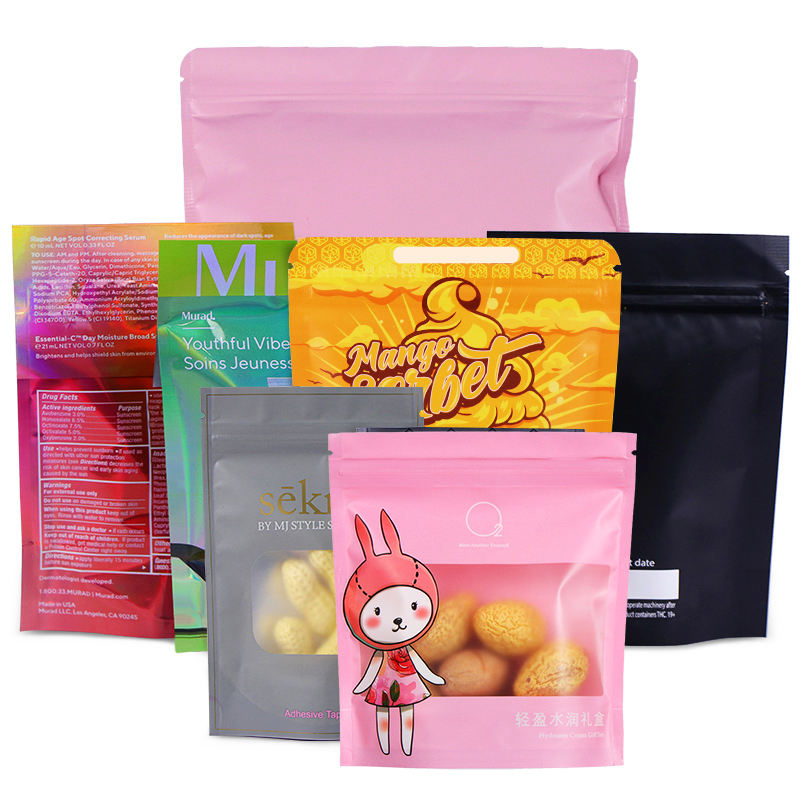
Foil Bags
Foil pouches block light and obscure contents for privacy. They also provide excellent moisture and oxygen barriers.
Unmarked Containers
Plain plastic tubs, tubes, and bottles avoid signaling contents while securely containing products.
Labeling Regulations
Packaging must clearly display legally required information like:
Product Details
Labels clearly state cannabis contents, concentrations, net weight, servings, manufacturer info, and more.
Warnings
Required safety warnings caution use during pregnancy, not driving impaired, keeping away from children, and health risks.
THC Content and Servings
Labels must show total THC/CBD amounts and servings per container for proper dosing.
Preventing Contamination
Proper cannabis packaging prevents harmful contamination:
Seal Integrity
Air-tight, well-sealed packaging maintains purity and prevents leakage and spill risks. Testing ensures proper seal strength.
Proper Storage
Following light, humidity, and temperature storage guidance preserves product safety.
Eco-Friendly Considerations
Sustainable practices for cannabis packaging include:
Sustainable Materials
Selecting recyclable, plant-based, or recycled content materials minimizes waste.
Recyclable or Reusable
Opting for recyclable or reusable packaging and clearly marking it reduces environmental impact.
Waste Reduction
Eliminating unnecessary films, inserts, and packaging components avoids excess waste.
Unique Branding Opportunities
While conforming to regulations, cannabis packaging also enables distinct branding:
Custom Prints and Colors
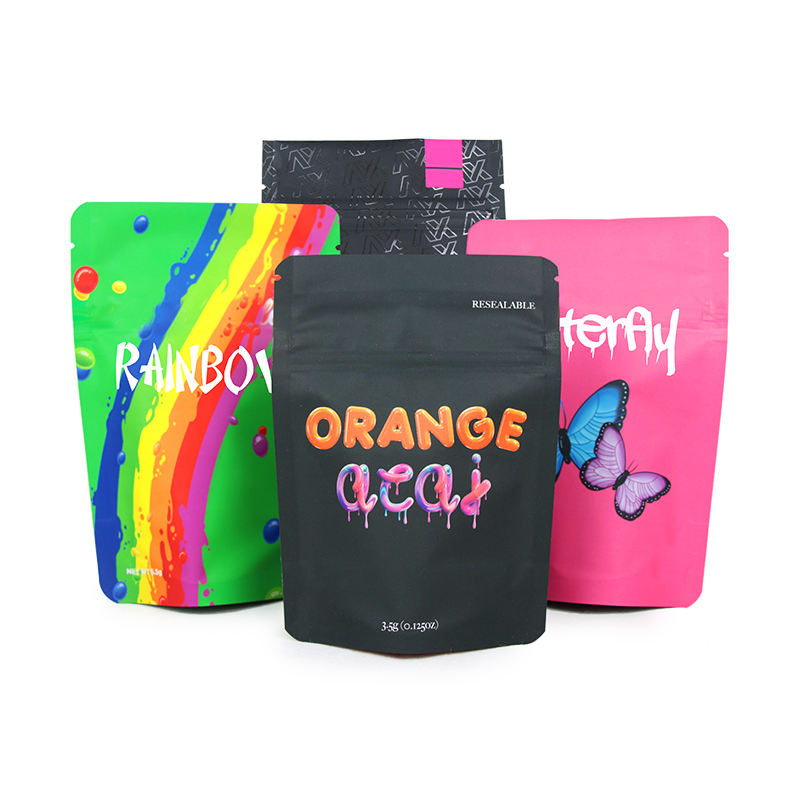
Vibrant colors and prints establish visual identity on labels and sealed bags.
Informational Inserts
Inserts detailing strain lineage, growing practices, and more build brand story.
Experiential Packaging
Foils, textures, and interactive elements provide sensory appeal.
Conclusion
For the highly regulated cannabis industry, packaging plays a crucial role in safety, compliance, and consumer experience. Brands must balance adherence to strict requirements with efforts to minimize environmental impact and express unique branding. With mindful material selection and innovative designs, cannabis packaging can properly protect products, delight customers, and align with sustainability values.
FAQs
What are the most important regulations for cannabis product packaging?
Key requirements include child-resistance, tamper evidence, opaque/discreet containers, labeling content warnings and product details, and preventing contamination. Packaging must also avoid bright colors, cartoons, or mimicking common food brands.
How can cannabis packaging balance regulations and unique branding?
Vibrant solid colors, custom prints, textured materials, foil accents, and unique structural shapes allow brand expression while adhering to discreet, compliant packaging rules. Informational inserts also convey brand story.
What materials work well for child-resistant cannabis packaging? Plastic tubes with push-and-turn caps, resealable zipper bags, and screw-top plastic jars are common child-resistant options. Locking, sliding dispensaries and boxes also provide child-resistance.
Should cannabis packaging be reusable or recyclable? Reusable and recyclable packaging is ideal to minimize waste provided it still meets other requirements. Plastic #2, #4, and #5 polymer containers are widely recyclable. Avoid over-packaging and choose recyclable films when possible.
How can I ensure cannabis packaging provides good product protection? Use packaging tested for robust seal integrity. Follow recommended storage conditions. Tinted glass preserves sensitive extracts and liquids while blocking UV light. Multi-layer barrier plastics maintain freshness.
Can packaging help communicate cannabis potency and dosing? Yes, clear labels indicating total THC/CBD amounts per package and per serving help consumers understand appropriate potency and dosing. Child-resistant packaging also prevents accidental overconsumption.





Leave A Comment