
Using Print to Enhance Coffee Packaging
Introduction
In the competitive coffee industry, packaging design plays a crucial role in capturing consumer attention and communicating brand story. For coffee roasters and retailers, printed packaging like bags, pouches, and boxes provides an impactful canvas to creatively showcase the product through colors, graphics, and photographic quality printing.
In this article, we’ll look at types of printed coffee packaging, benefits of customized print design, printing techniques, considerations for graphics, and how sustainably-minded brands can implement eco-friendly printing practices.
Types of Printed Coffee Packaging
Common coffee packaging that can utilize print includes:
Pouches
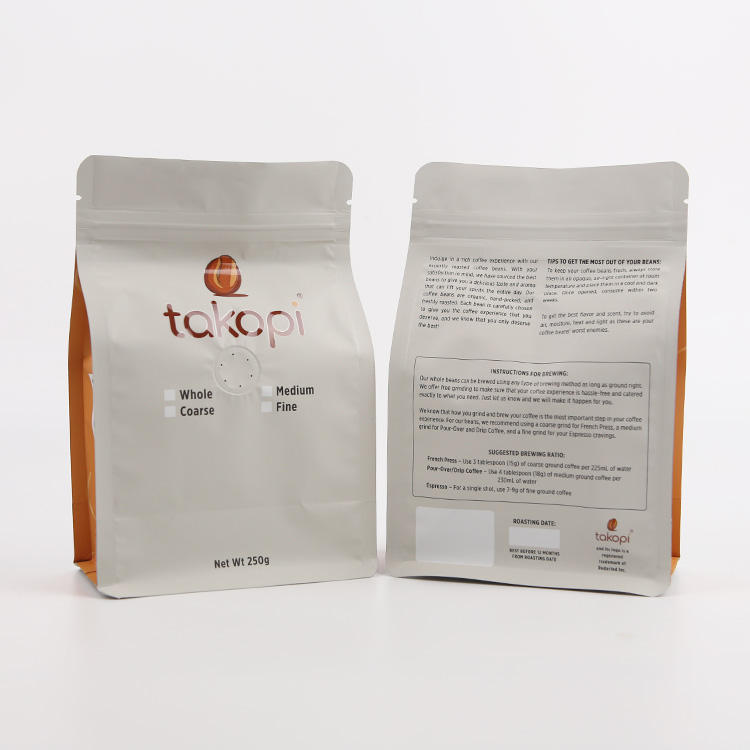
Stand-up resealable pouches allow for full-wrap graphics.
Bags
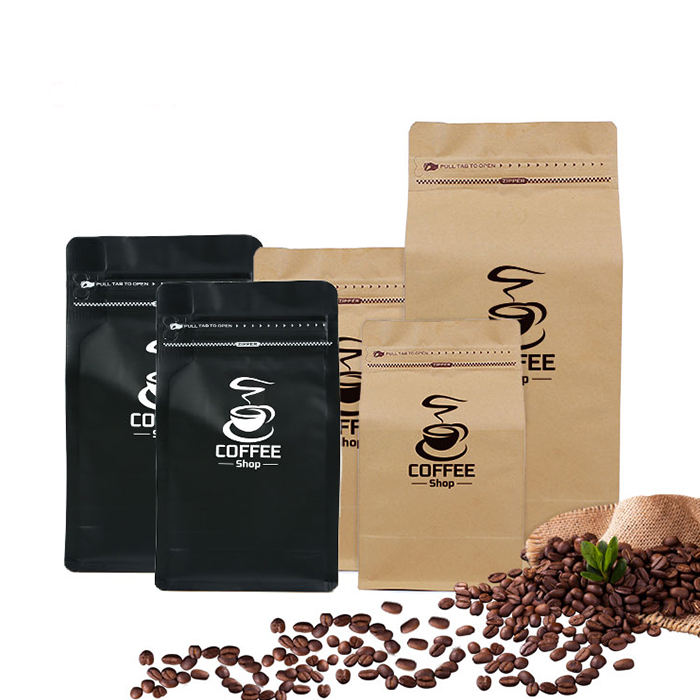
Kraft bags, whether paper or plastic, provide printable real estate for logos and designs.
Boxes
Cardboard packaging like boxes, tins, and cartons enable immersive graphic environments.
Benefits of Printed Packaging
Some key advantages that printed packaging offers coffee brands:
Branding
Print provides a dynamic space for establishing visual identity through fonts, colors, and logos.
Product Information
Print communicates details like roast date, coffee origin, tasting notes, and brew tips.
Shelf Appeal
Striking graphics capture consumer eyes against competitors.
Printing Options
Popular packaging printing methods:
Flexographic
Flexographic uses raised plates to print on flexible films, bags, and papers on high-speed rotary presses. It works for long, flat runs.
Digital
Digital printing provides variable data options ideal for shorter runs, personalization, and versioning. It prints directly on packaging.
Labels and Stickers
Labels allow for affordable printing enhancements for small batches.
Design Considerations
When planning printed packaging, consider:
Colors
Coordinate colors with logo, product hue, imagery, and brand style for cohesion.
Graphics
Illustrations, logos, icons, and photographic images should further brand narrative and identity.
Material
Match ink and printing method to material like matte paper or glossy film.
Sustainable Printing Practices
Eco-conscious coffee brands can implement sustainability practices like:
Renewable Materials
Choose recyclable, compostable, or renewable materials like plant-based bags.
Recyclable and Compostable
Ensure printed packaging components are recyclable or industrially compostable in major municipalities.
Eco-Friendly Inks
Use inks with non-toxic, low-VOC, vegetable-based formulations.
Enhancing Packaging with Print
Ways to leverage printing to create stand-out, engaging packaging:
Photographic Images
Detailed product and origin story photos create an immersive experience.
Bold Colors and Patterns
Vibrant graphics and lush backdrops invite the consumer in.
Matte vs. Glossy
Play with matte papers and glossy films to provide dimension and tactile experience.
Conclusion
For coffee brands, printed packaging provides a versatile medium to connect with consumers through visual identity and craft compelling product stories. With an array of printing techniques available today and eco-friendly inks and materials, it’s possible to implement inspiring designs across pouches, bags, and boxes sustainably. Vibrant original graphics and photographic quality prints can transform standard coffee packaging into something extraordinary.
FAQs
What types of packaging can be printed on for coffee products?
Popular coffee packaging options that can utilize print include pouches, bags, boxes, stick packs, tin canisters, paper tubes, and other primary containers. Both plastic and paper materials can be printed on.
What printing methods work best for small batch or custom coffee packaging? Digital printing provides excellent quality for shorter runs and customization capabilities suited for small coffee roasters. Labels also allow affordable print enhancements in small quantities.
How can I make my printed coffee packaging more eco-friendly? Choose recyclable and compostable materials, renewable plant-based substrates, non-toxic inks, and responsible printers with sustainability certifications. Keep designs simple without laminations.
What key elements should I include in my printed packaging designs? Highlight logos, brand colors, photographic imagery to convey origin and product qualities, illustrations, roast date, coffee name, details like tasting notes, QR codes, and recyclable markings.
How can I use print to differentiate my coffee packaging from competitors? Leverage custom illustrations, original photography of coffee farmers/origin, detailed product close-ups, vibrant patterns, foil accents, and an overall cohesive visual brand identity carried across packaging.
Should my printed packaging have more matte or glossy finishes? This depends on substrates, products, and brand style. Glossy films nicely showcase coffee vibrancy. Matte papers and uncoated stocks feel natural for some brands. Combining matte and glossy elements provides depth.




Leave A Comment