
When it comes to food packaging, selecting the right type of packaging bag is essential to ensure the freshness, safety, and appeal of your products. With a plethora of options available, it can be overwhelming to navigate the world of food packaging. That’s where we come in – this guide will walk you through the process of classifying food packaging bags to make informed choices for your culinary creations.
1.Plastic bags: Polyethylene (PE), Polypropylene (PP), and more
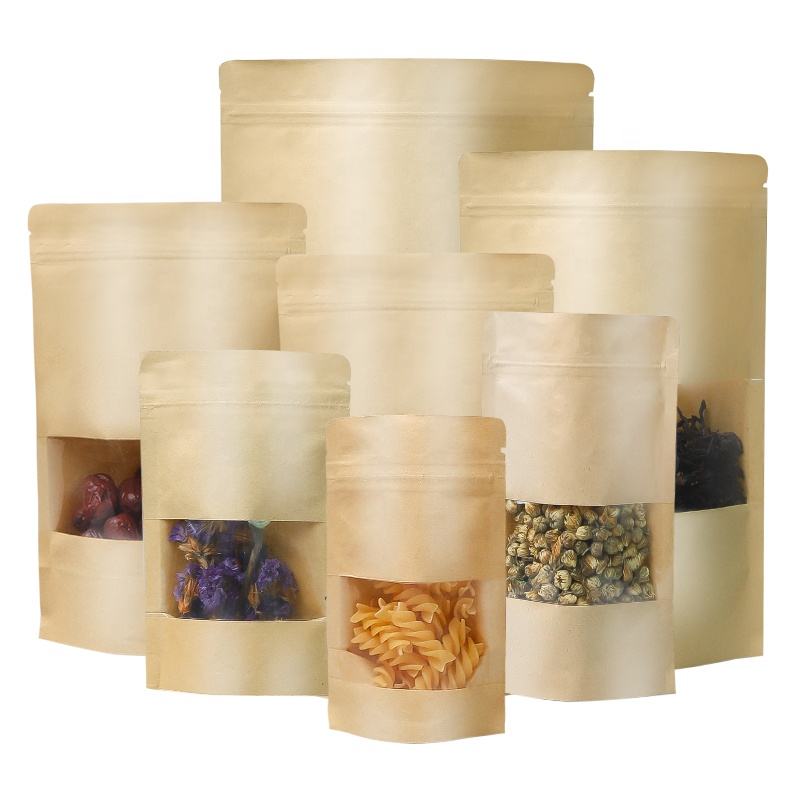
Paper bags: Kraft paper, greaseproof paper, and more
Flexible packaging: Foil, laminates, and specialty films
Classification by Design and Closure
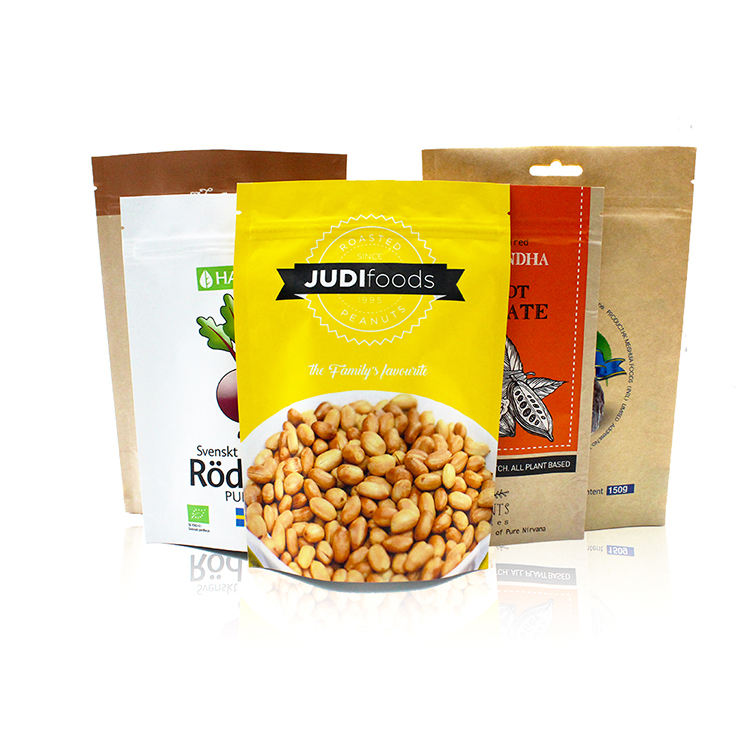
2.Stand-up pouches: Convenience and shelf appeal
Ziplock bags: Resealable freshness
Vacuum-sealed bags: Extended shelf life
Classification According to Usage
3.Snack bags: Small portions on the go
Frozen food bags: Resistant to low temperatures
Bulk food bags: Storage and wholesale
Eco-Friendly Packaging Options
4.Biodegradable and compostable bags
Recycled materials and sustainable practices
Specialized Packaging Bags
5.Oven-safe bags: Cooking convenience
Microwavable bags: Heating without hassle
Considerations for Customization
6.Branding and customization options
Size, shape, and printing choices
Choosing the Right Food Packaging Bag
7.Matching bag type with food product
Balancing aesthetics, functionality, and cost
Impact of proper food packaging on consumer perception
Importance of staying updated with packaging trends
Food packaging bags play a pivotal role in preserving the quality and safety of your culinary creations. By understanding the various classifications and their unique benefits, you can make well-informed decisions that enhance your products and resonate with your target audience. Dive into this guide and empower yourself to choose the perfect food packaging bags for your delectable delights.





Leave A Comment