
The Simple Effectiveness of Flat Pouch Packaging
Introduction
With their efficient shape and straightforward functionality, flat pouches have become a staple flexible packaging format across many consumer and industrial products. Flat pouches provide an optimal balance of portability, minimal materials use, and lightweight convenience – making them a ubiquitous packaging choice.
This article provides an introduction to flat pouches, their applications and capabilities, closure options, manufacturing processes, and decorating opportunities. We’ll examine why these uncomplicated pouches have sustained strong popularity across markets seeking flexible packaging solutions.
What are Flat Pouches?
Flat pouches have some definitive characteristics:
Key Features and Components
Flat pouches are formed from flexible film into a simple envelope-style package with two sealed sides, a bottom fold or seal, and an opening top.
Typical Structures
Common configurations include pillow, three-side seal, four-side seal, and envelope style pouches. This provides options to optimize materials use for different contents.
Common Materials Used
Flat pouches typically use plastic films like polyethylene, polyester, polypropylene, and laminated structures. Materials are selected based on required barrier, optics, strength, and other needs.
With their elementary design, flat pouches deliver packaging utility with minimal complexity.
Benefits and Uses of Flat Pouches
The intrinsic functionality of flat pouches makes them ideal for many applications:
Portability
Slim, lightweight flat pouches are highly portable and convenient for on-the-go products and single-serve portions.
Lightweight Nature
Using less materials than rigid packaging, flat pouches offer sustainability benefits and reduce shipping costs.
Flexible Shape
Flat pouches can contour to fit odd-shaped items, allowing efficient material use.
Wide Range of Applications
Flat pouches are used across consumer goods, foods, medical, industrial, and other markets in myriad sizes.
For both high-volume and specialty products, flat pouches simply work – which explains their tremendous popularity.
Manufacturing Processes for Flat Pouches
High-speed pouch forming machinery enables efficient flat pouch production:
Vertical Form Fill Seal
Pouches are formed from rolled film, product drops in, then top seal applied.
Horizontal Flow Wrap
Pouch film unrolls horizontally, product inserted, then sides/top sealed.
Pre-Made Pouch Filling
For some rigid contents, pre-formed pouches are used and then sealed post-filling.
When planned well, flat pouches can be produced via fast, automated processes that maximize output.
Flat Pouch Closure Options
Flat pouches employ several resealable and one-time closure styles:
Zippers
Reclosable zipper strips allow secure closure and access to contents.
Adhesive Strips
Peel-off strips uncover an adhesive area for folding pouch closed.
Press-to-Close Tracks
Mating plastic tracks press together between fingers to reseal.
Slide Seals
One-time use slide strip is pulled to peel open pouch.
Closure choice depends on required access, cost, product life, and consumer convenience.
Innovations in Flat Pouch Designs
Creative flat pouch formats provide unique advantages:
reSEALable ZipPouches
Patented easy-open zipper design allows reclosing with minimal effort.
Stand-Up Flat Pouches
Angled side gussets make flat pouches stand upright for display.
Dual-Chamber Flat Pouches
Separate compartments in one pouch isolate incompatible ingredients.
Ingenious flat pouch structures open new possibilities beyond basic envelopes.
Branding and Decoration Capabilities
Flat pouches enable impactful branding and design:
Printing
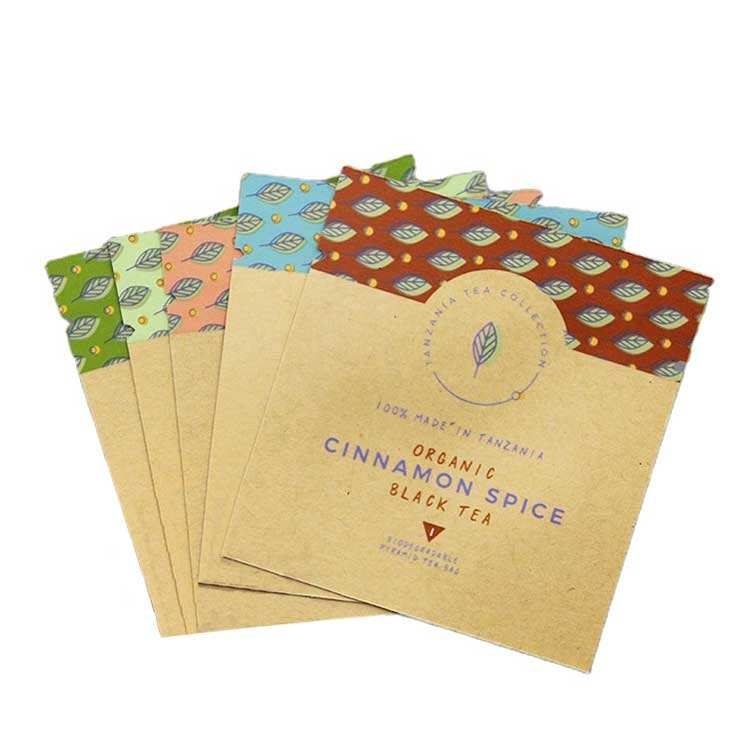
Vivid graphics and photographic quality printing attract consumer attention.
Shapes and Cutouts
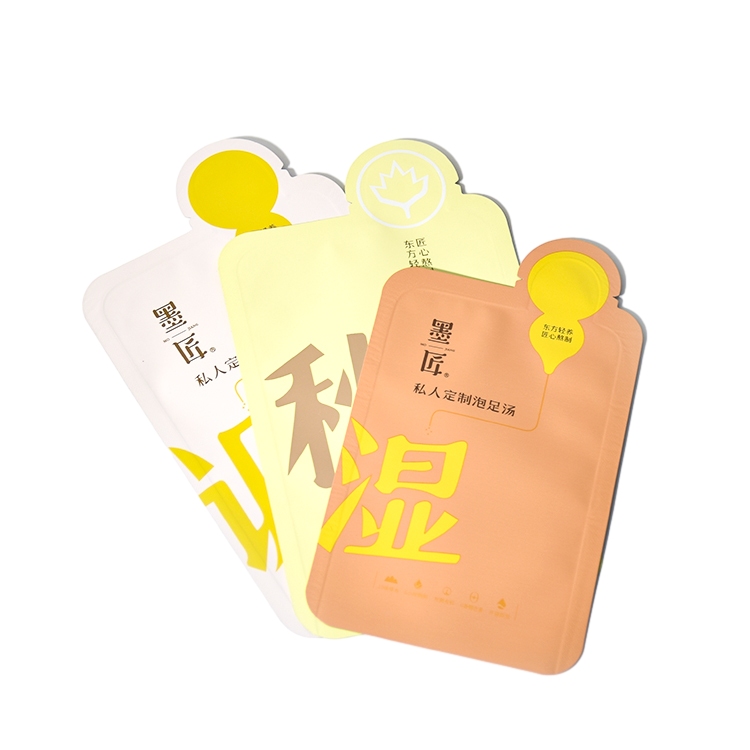
Die cutting into unique shapes provides branding identity.
Labels and Graphics
Prime label real estate on large flat surfaces provides decorating and communication opportunities.
With their extensive printable surfaces, flat pouches become a billboard for brand messaging at point of sale and use.
Conclusion
With good reason, flat pouches have earned an enduring role across consumer, pharmaceutical, industrial, and other markets needing flexible, lightweight, functional packaging. Their elemental, efficient format provides versatility across uses ranging from on-the-go snacks to medical devices. And flat pouches will continue advancing in capabilities through innovative materials, constructions, printing, and closure technologies. When basic protection, portability, and presentation are required, flat pouches deliver a straightforward yet compelling packaging solution. Their sustained popularity is a testament to the inherent effectiveness of simplicity done right.
FAQs
Q: What products are flat pouches not recommended for?
A: Flat pouches are not ideal for heavy, rigid, or oddly-shaped contents that require firm structure. Certain highly spillable fillings could also be problematic.
Q: Are clear flat pouches available?
A: Yes, many flat pouch structures can be produced in transparent, see-through films for visibility of contents.
Q: Can flat pouches be made microwavable?
A: Yes, certain films and pouch constructions are approved for microwave heating. But each application needs qualified testing first.
Q: Are there flat pouch sizes bigger than a gallon?
A: Yes, jumbo flat pouches in sizes above a gallon can be produced for applications requiring large volumes.
Q: Can flat pouches be made compostable?
A: Yes, bio-based and compostable materials like PLA can potentially replace conventional plastic films.
Q: Are there automated filling lines for preformed flat pouches?
A: Yes, automated pick-and-place systems can fill pre-made flat pouches at rapid rates for some applications.
The Simple Effectiveness of Flat Pouch Packaging
The Simple Effectiveness of Flat Pouch Packaging




Leave A Comment