
How Structure Makes a Difference
When it comes to packaging foods, not all bags are created equal. The structure and design of food packaging bags can vary greatly depending on the contents and intended use. Here are some of the key ways that food packaging bags differ structurally:
Compartments – Bags can be designed with multiple compartments or pockets to keep ingredients separate and avoid mixing. This is useful for foods that shouldn’t be combined right away like pasta and seasoning packets. Compartment bags organize ingredients and make food prep easier.
Closures – Different closure methods like zippers, adhesive strips, or interlocking seal profiles allow bags to be securely resealed while still being accessible. This retains freshness while permitting easy open-and-close. Resealable closures are essential for shelf life.
Materials – Food packaging is made from various materials including plastics, foils, laminates, and papers. These provide different properties like transparency, strength, gas barriers and more. The right material keeps food fresh and protects it during shipping.
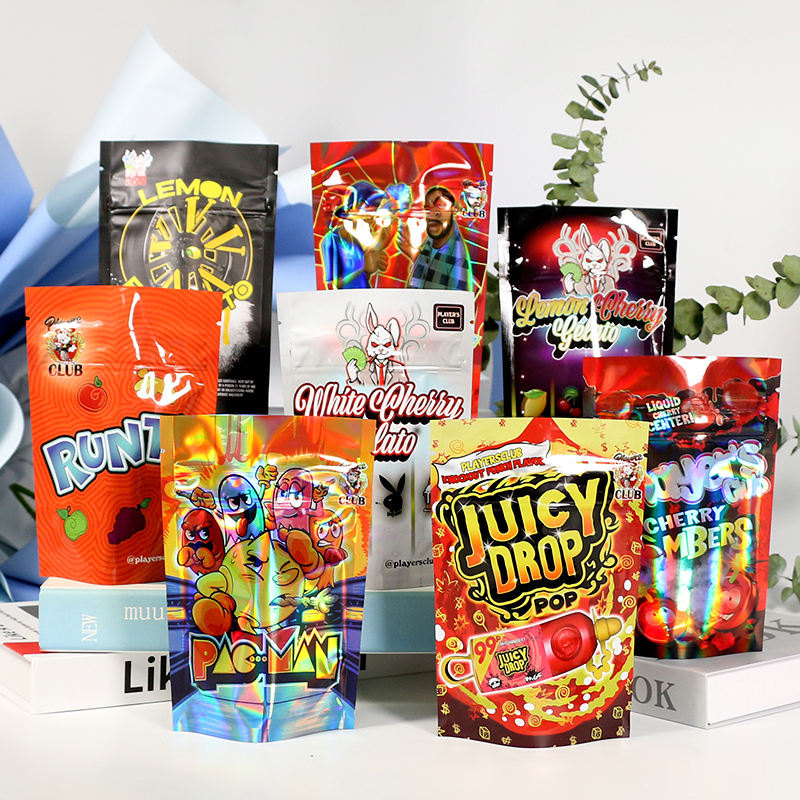
Shape – Bags come in shapes like flat pouches, stand-up pouches, quad seal bags, etc. Unique shapes improve shelf appeal, storage efficiency, and ergonomics. Shape impacts both function and branding.
Openings – Some bags have easy-open features like notches, perforations, or tear strips while others require scissors to open. Easy-open bags improve convenience and access to contents.
Thickness – Bag thickness impacts durability, protection, and perceived quality. Thinner bags use less material while thicker bags provide more strength. Finding the right thickness optimizes function and efficiency.
Venting – Tiny vent holes allow gases and moisture to escape from packaging while still containing food. This extends shelf life for some respiring produce like berries.
Fitments – Nozzles, spouts, zippers, and valves act as fitments on bags to make dispensing or portioning contents simpler and cleaner. Fitments add functional benefits.
With so many structural elements to consider, food packaging bag design requires thoughtful engineering and testing to find the optimal configuration for the specific contents and intended use. The right bag design improves both protection and presentation of foods.






Leave A Comment